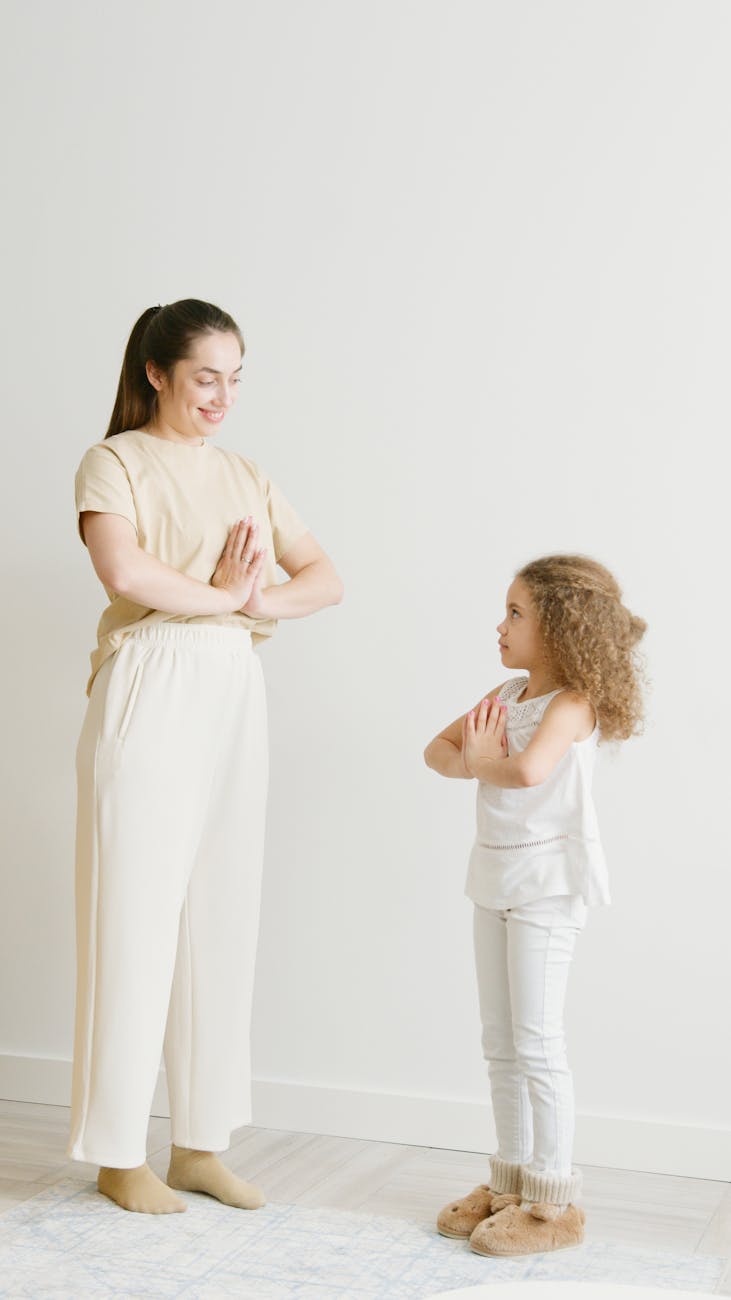
Breathwork for Children Experiencing Stress and Anxiety
Children today face increasing pressures from school, social environments, technology, and changes in their personal lives. These pressures can sometimes lead to feelings of stress, overwhelm, or anxiety. Breathwork offers a simple, gentle, and effective way to help children regulate their emotions, calm their bodies, and feel more in control.
Because breathing is something we do naturally, children can learn breathwork techniques quickly and use them anywhere — at school, at home, or before situations that may feel challenging.
How Breathwork Helps Children
When a child feels anxious or stressed, their nervous system shifts into a fight-or-flight response. This can cause symptoms such as a racing heart, shallow breathing, restlessness, or difficulty concentrating.
Breathwork helps by activating the body’s parasympathetic nervous system, often called the “rest and calm” response. Slow, controlled breathing signals to the brain that the body is safe, which helps to:
- slow the heart rate
- relax muscles
- reduce feelings of panic or overwhelm
- improve focus and emotional regulation
Over time, children can learn to recognise when they are feeling stressed and use breathing techniques to bring their body back into balance.
Simple Breathwork Techniques for Children
Breathing exercises for children are often taught in playful and engaging ways so they feel natural and easy to practise.
Balloon Breathing
Children imagine their belly is a balloon. As they breathe in slowly through their nose, the balloon inflates. As they breathe out slowly through their mouth, the balloon gently deflates. This encourages deep belly breathing rather than shallow chest breathing.
Star Breathing
A child traces the shape of a star with their finger. They breathe in while tracing one side of the star and breathe out while tracing the next side. This combines movement and breath to help focus attention and calm the mind.
Five-Finger Breathing
The child traces up each finger while breathing in, and down each finger while breathing out. This provides both a visual and physical anchor for the breath.
Bubble Breathing
Children pretend they are blowing bubbles. To make the bubbles big and gentle, they must breathe out slowly and steadily, naturally slowing their breathing pattern.
Possible Benefits and Outcomes
With regular practice, breathwork can support children in developing important emotional and self-regulation skills. Possible outcomes may include:
- reduced anxiety and stress
- improved emotional regulation
- better focus and concentration
- improved sleep
- increased confidence in managing difficult feelings
- a greater sense of calm and resilience
Breathwork can also help children build a lifelong skill: the ability to use their breath to support their wellbeing during challenging moments.
What Happens in a Children’s Breathwork Session
Children’s breathwork sessions are designed to be safe, supportive, and age-appropriate. Sessions are usually shorter than adult sessions and often include movement, visualisation, or simple games that help children stay engaged.
A typical session may include:
- a short check-in to help the child feel comfortable
- gentle breathing exercises
- playful activities to practise breathing techniques
- relaxation or guided imagery
- simple tools the child can use at home or school
Sessions focus on creating a calm, reassuring environment where children feel safe to relax and explore their emotions.
Signs a Child May Benefit from Breathwork
Breathwork can support children who may be experiencing:
- frequent worry or anxiety
- difficulty calming down when upset
- trouble sleeping
- stress related to school or exams
- low confidence or emotional overwhelm
- challenges with focus or concentration
While breathwork is not a replacement for medical or psychological care, it can be a valuable complementary tool to support emotional wellbeing.
Is Breathwork Safe for Children?
Gentle breathing exercises are generally considered safe for children when taught by a trained practitioner and adapted for their age.
Children’s sessions focus on slow, calming breathing techniques, rather than intense breathing practices used in some adult breathwork methods.
Parents are always encouraged to share any relevant information about their child’s health, wellbeing, or needs before a session so the experience can be tailored appropriately.
Frequently Asked Questions for Parents
What age can children start breathwork?
Many breathing techniques can be introduced from around age five or six, when children can begin to follow simple instructions and engage with guided activities.
How quickly can children benefit from breathwork?
Some children feel calmer after just one session, while others benefit most from practising the techniques regularly over time.
Can children practise breathwork at home?
Yes. One of the goals of breathwork is to give children simple tools they can use independently whenever they feel anxious or overwhelmed.
Supporting Children to Feel Calm and Confident
Breathwork empowers children with a gentle, practical tool they can carry with them throughout life. By learning how to slow their breath and calm their body, children can build resilience, emotional awareness, and a greater sense of inner safety.
In a supportive and nurturing space, breathwork can help children reconnect with a natural state of calm — one breath at a time.When a child feels anxious or stressed, their nervous system shifts into a fight-or-flight response. This can cause symptoms such as a racing heart, shallow breathing, restlessness, or difficulty concentrating.
Breathwork helps by activating the body’s parasympathetic nervous system, often called the “rest and calm” response. Slow, controlled breathing signals to the brain that the body is safe, which helps to:
- slow the heart rate
- relax muscles
- reduce feelings of panic or overwhelm
- improve focus and emotional regulation
Over time, children can learn to recognise when they are feeling stressed and use breathing techniques to bring their body back into balance.
Simple Breathwork Techniques for Children
Breathing exercises for children are usually taught in playful, easy-to-understand ways so they feel engaging rather than clinical.
Balloon Breathing
Children imagine their belly is a balloon. As they breathe in slowly through their nose, the balloon inflates. As they breathe out slowly through their mouth, the balloon gently deflates. This encourages deep belly breathing rather than shallow chest breathing.
Star Breathing
A child traces the shape of a star with their finger. They breathe in while tracing one side of the star and breathe out while tracing the next side. This combines movement and breath to help focus attention and calm the mind.
Five-Finger Breathing
The child traces up each finger while breathing in, and down each finger while breathing out. This provides both a visual and physical anchor for the breath.
Bubble Breathing
Children pretend they are blowing bubbles. To make the bubbles big and gentle, they must breathe out slowly and steadily, naturally slowing their breathing pattern.
Possible Benefits and Outcomes
With regular practice, breathwork can support children in developing important emotional and self-regulation skills. Possible outcomes may include:
- reduced anxiety and stress
- improved emotional regulation
- better focus and concentration
- improved sleep
- increased confidence in managing difficult feelings
- a greater sense of calm and resilience
Breathwork can also help children build a lifelong skill: the ability to use their breath to support their wellbeing during challenging moments.
A Gentle and Empowering Tool
One of the most powerful aspects of breathwork is that it gives children a simple tool they can use independently. By learning how to work with their breath, children begin to understand that they have the ability to calm their bodies and minds whenever they need it.
In a supportive environment, breathwork can help children feel safer in their bodies, more connected to their emotions, and better equipped to navigate the challenges of growing up.
 nu Breath